Uncategorized
Top 10 Fitness Smartwatches for 2025 in India: Which One Should YOU Pick?

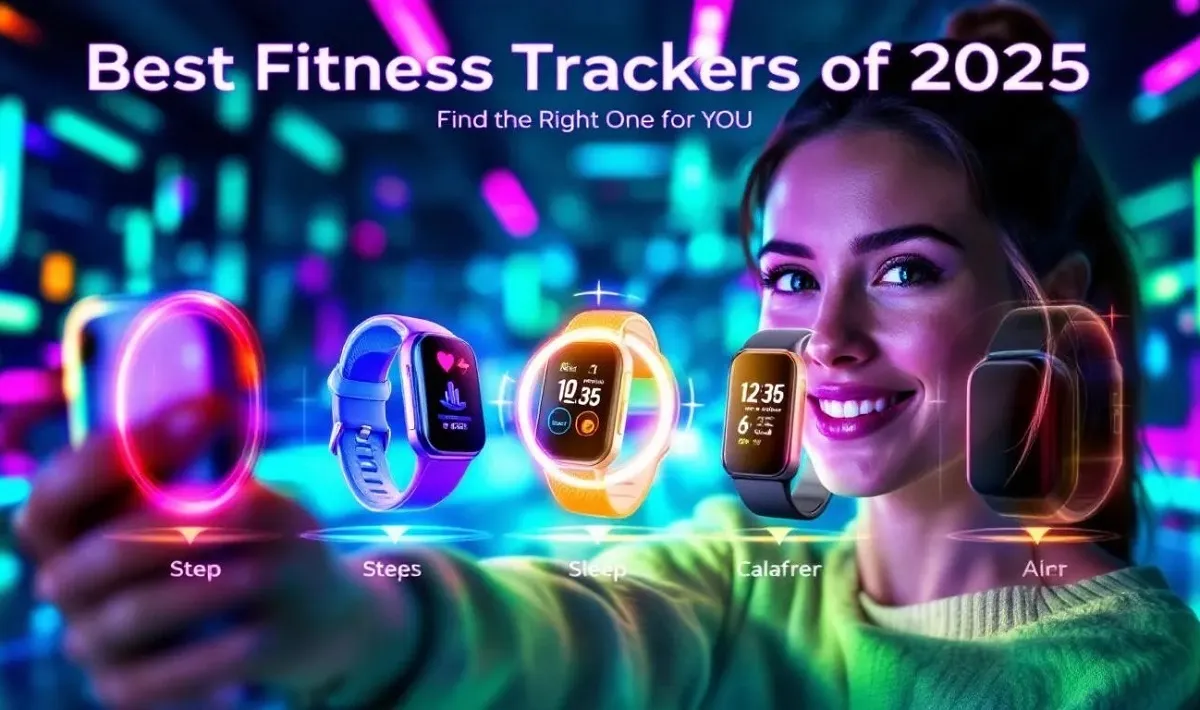
Hey! If you’re reading this, you’re probably thinking about getting a smartwatch or fitness band—but got totally lost in all the choices out there. With so many flashy features, crazy prices, and brands making big promises, picking the right one can feel tougher than solving a last-minute math problem.
No stress though! Today, we’re making it super easy by listing the top 10 fitness smartwatches of 2025 in plain, simple talk. No confusing tech terms or boring details—just real advice to help you pick the best one. Whether you’re a gym lover, a casual walker, or just want to look active (we won’t tell!), there’s a perfect watch here for you.
Why Even Get a Fitness Smartwatch?
Before we jump into the list, let’s talk about why these gadgets are actually worth it. A good fitness tracker is like having a mini coach on your wrist that:
✔ Tracks your sleep, heart rate, and stress—because life can be exhausting!
✔ Handles your busy routine (sweat, rain, or even that accidental chai spill).
✔ Actually lasts more than two days (unlike some old smartwatches we know).
So, ready to find your perfect match? Let’s go! 🚀
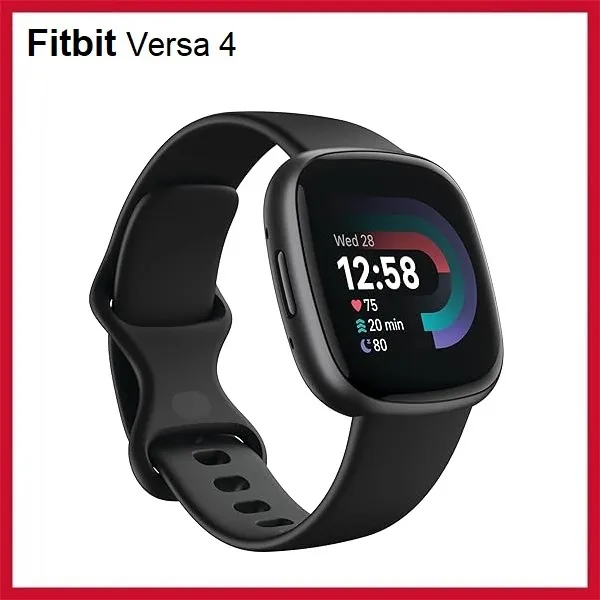
1. Fitbit Versa 4:
Best for: People who want detailed health stats without the hassle.
Imagine a friend who politely reminds you to stop binge-watching and take a walk. That’s the Versa 4. Here’s why it’s awesome:
Daily Readiness Score: Tells you if your body is ready to work out or if you should prioritize rest — based on sleep, heart rate variability, and activity.
24/7 Heart Rate Monitoring: Continuously tracks your heart rate with Fitbit’s PurePulse technology to help manage stress and optimize workouts.
Sleep Tracking & Sleep Score: Monitors sleep stages (light, deep, REM), provides a sleep score, and offers insights to improve your sleep quality.
SpO2 & Breathing Rate Tracking: Tracks blood oxygen levels and breathing rate to detect changes in wellness or early signs of illness.
Stress Management Score: Measures your body’s response to stress using heart rate, sleep, and activity data, with tools like guided breathing sessions.
40+ Exercise Modes: Track all kinds of workouts — from walking and running to kayaking and dancing. No excuses!
Fitbit Premium (6 Months Free): Get access to advanced insights, guided programs, and more with a 6-month Fitbit Premium subscription included.
Perfect if you: Need motivation but hate pushy trainers.
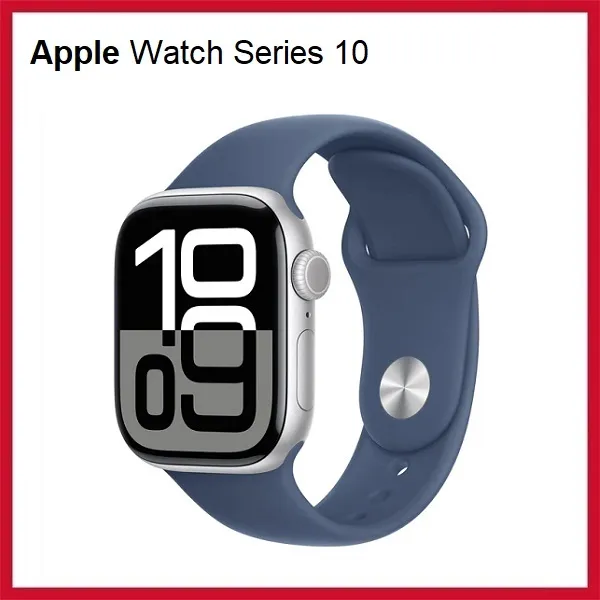
2. Apple Watch Series 10:
Best for: iPhone users who want the most advanced features. This is the watch that makes other smartwatches jealous. The Series 10 brings:
- Heart Rate Monitoring – Constantly checks your heart rate.
- ECG (Electrocardiogram) – Can help detect irregular heartbeats.
- Blood Oxygen Sensor – Measures oxygen level in your blood.
- Sleep Tracking – Helps improve your sleep by monitoring patterns.
- Workout Modes – Tracks walking, running, cycling, yoga, gym workouts and more.
Whether you’re a fitness lover or just want to stay healthy, these features are very helpful.
Perfect if you: Want the absolute best and don’t mind paying for it.
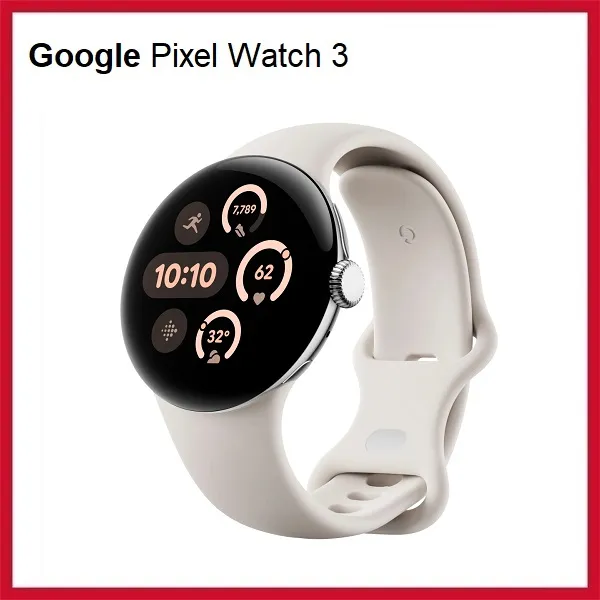
3. Google Pixel Watch 3:
Best for: Android fans who hate bloatware. Google finally nailed it with the Pixel Watch 3:
Personalized Run Recommendations:
Enhance your running routine with Fitbit Premium powered by Google AI, using:
- Your fitness goals
- Past runs
- Daily readiness levels
Daily Readiness Score:
Understand what your body is ready for each day by tracking:
- Sleep quality
- Resting heart rate
- Heart rate variability
Get guided on whether to train or recover.
Cardio Load Insights:
Measure how hard your heart is working during workouts:
- Spot trends to avoid undertraining or overtraining
- Get a daily target based on your cardio load and readiness score
Perfect if you: Want a no-compromise Android watch.
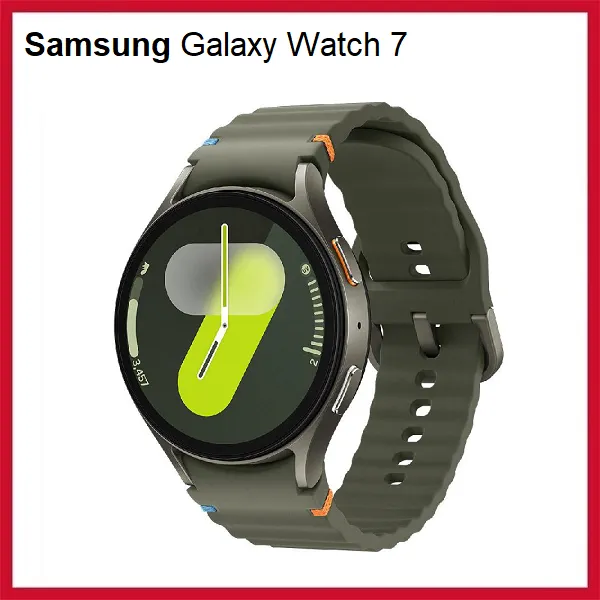
4. Samsung Galaxy Watch 7:
Best for: Those who want everything but the kitchen sink. Samsung threw in every feature imaginable:
Advanced Sleep Tracking: Monitors sleep stages, sleep score, blood oxygen (SpO2), and snoring detection for deeper sleep insights.
Heart Rate Monitoring: Tracks your heart rate 24/7 and sends alerts if it detects unusually high or low readings.
ECG (Electrocardiogram): Detects irregular heart rhythms and helps monitor signs of atrial fibrillation (AFib).
Body Composition Analysis: Measures body fat percentage, skeletal muscle, water retention, and more using BIA (Bioelectrical Impedance Analysis).
Stress & Blood Oxygen Monitoring: Includes stress tracking with guided breathing and continuous SpO2 (oxygen saturation) monitoring.
Perfect if you: Love tech and want maximum functionality.
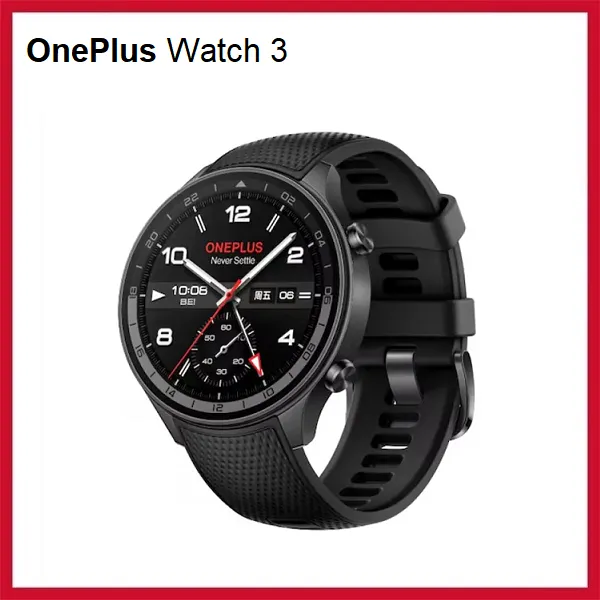
5. OnePlus Watch 3:
Best for: Value seekers who want premium features. OnePlus nailed the balance with this one:
Advanced Heart & Blood Oxygen Monitoring: Packed with an 8-channel optical heart rate sensor and 16-channel SpO₂ sensor for continuous tracking and health insights.
Comprehensive Sleep & Snore Analysis: Tracks sleep stages, breathing rate, blood oxygen, snoring risk, and delivers a daily sleep quality score.
Wrist Temperature & Vascular Health: Monitors wrist skin temperature and arterial stiffness (“vascular age”) for early detection and better recovery planning.
60‑Second All‑In‑One Health Check‑In: A quick scan assessing heart rate, SpO₂, temperature, vascular health, wellness score, and ECG (in select regions).
Over 100 Sports Modes + Dual‑Band GPS: Tracks diverse activities with pro metrics — heart rate zones, fat burn, cadence, and pace — using GPS (L1+L5).
Perfect if you: Want flagship features at half the price.
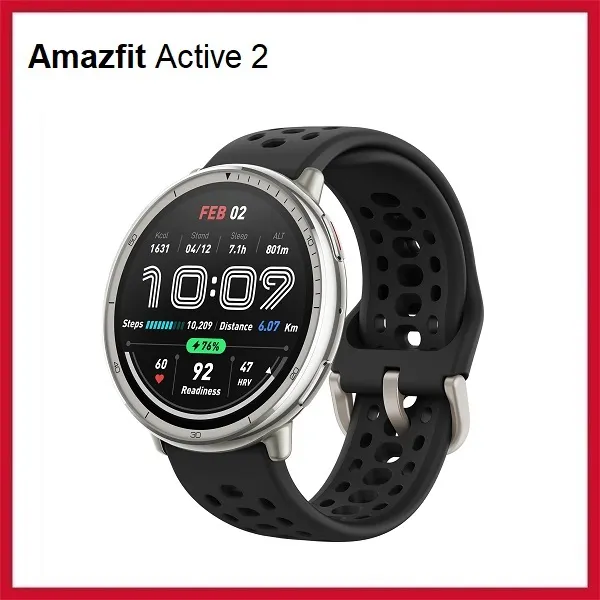
6. Amazfit Active 2:
Best for: Those who want great features without breaking the bank. Don’t let the price fool you:
24/7 Heart Rate & SpO₂ Monitoring: Equipped with the BioTracker™ 6.0 PPG sensor, the watch continuously tracks heart rate, blood oxygen saturation, stress levels, and heart rate variability—alerting you to abnormal readings.
Advanced Sleep Tracking & Readiness Score: Monitors sleep stages (light, deep, REM), respiratory rate, and even readiness metrics to help you understand recovery quality and daily preparedness.
Skin Temperature Sensing: Includes skin temperature monitoring to provide added health context and track subtle changes in your condition.
One‑Tap Health Snapshot: Delivers an instant wellness summary—heart rate, stress, SpO₂, breathing data—with a single tap via the Zepp app.
AI‑Powered Coach & Stress Management: Features Zepp Coach for personalized training plans and uses HRV data to detect stress, prompting guided breathing exercises when needed.
Perfect if you: Want maximum value for money.
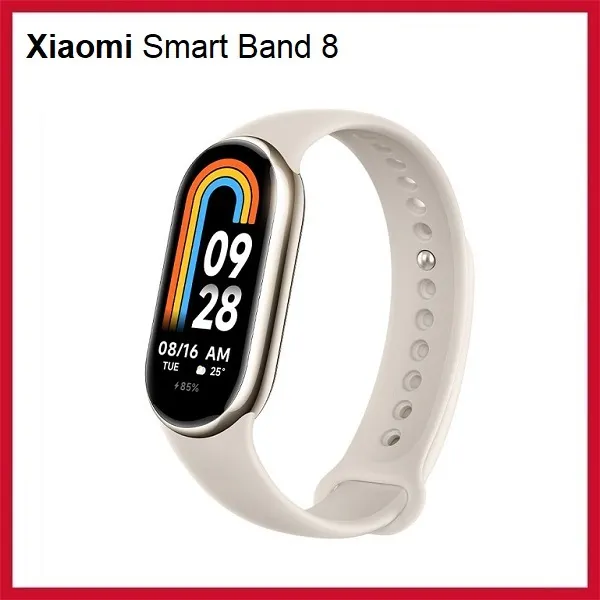
7. Xiaomi Smart Band 8:
Best for: Students or anyone who wants max features for minimal cash.
This little band punches way above its price tag. Highlights:
Continuous Heart Rate & SpO₂ Monitoring: Tracks heart rate 24/7 with alerts for abnormal readings, and measures blood oxygen saturation reliably (95–99%).
Advanced Sleep Tracking: Monitors light, deep, and REM sleep with extended data available in app; includes smart alarm and detailed nightly insight.
Stress & Respiratory Monitoring: Measures stress via HRV and monitors breathing rate during sleep and day, with guided relaxation prompts.
Vitality Score & Workout Load: Calculates a 7‑day vitality score based on activity intensity; also provides metrics like VO₂ max, training load, recovery time, and aerobic/anaerobic impact.
150+ Exercise Modes & Smart Running Features: Supports over 150 workout types, including premium on-display running coaching and real‑time pace companion mode (paired GPS required).
Perfect if you: Want a no-fuss tracker that doesn’t eat your pocket money.
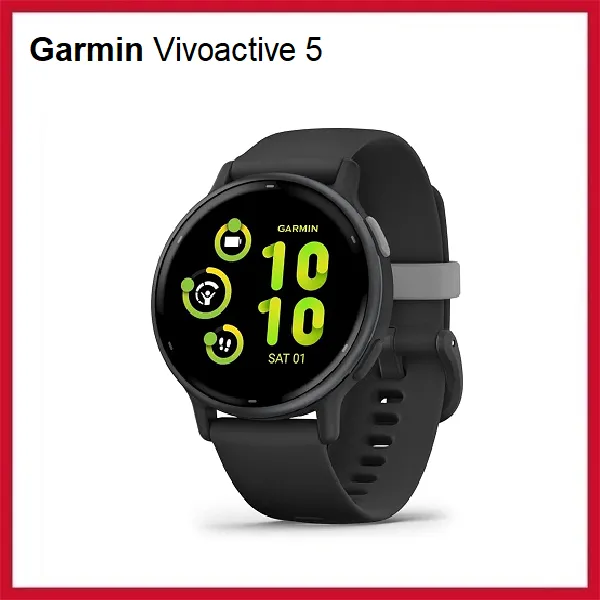
8. Garmin Vivoactive 5:
Best for: Gym rats, runners, or anyone who calls workouts “fun.”
Garmin watches are like the Swiss Army knives of fitness. This one’s packed with:
Advanced Sleep Tracking + Nap Detection: Automatically tracks sleep stages (light, deep, REM), sleep duration, breathing rate, and naps. Includes a Sleep Coach for personalized sleep insights and morning report summaries.
24/7 Heart Rate, HRV & Stress Monitoring: Continuous wrist-based heart rate and heart rate variability (HRV) tracking. Stress level tracking with guided breathing and meditation features.
Body Battery Energy & Health Snapshot: Measures energy reserves via Body Battery, which factors in sleep, activity, stress, etc. Two-minute Health Snapshot captures key vitals (HR, HRV, SpO₂, respiration) for provider sharing.
Pulse Ox & Respiration Tracking: Pulse oximeter for SpO₂ during sleep and day. Continuous respiration monitoring for comprehensive wellness tracking.
Women’s Health & Hydration Support: Tracks menstrual cycle or pregnancy with educational guidance. Daily hydration logging and reminders.
Perfect if you: Live in activewear and love data.
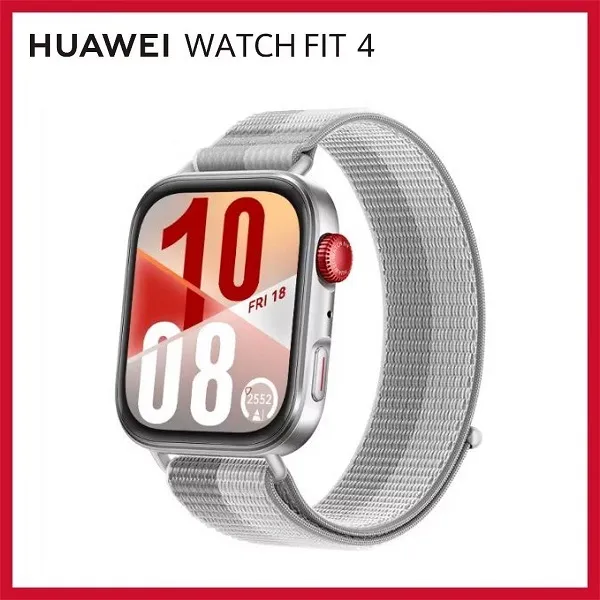
9. Huawei Watch Fit 4:
Best for: Minimalists who hate flashy gadgets.
24/7 Advanced Health Monitoring: Continuous tracking of heart rate, SpO₂, stress levels (via HRV), and sleep quality—complete with abnormal breathing alerts and emotional wellbeing insights.
Comprehensive Sleep & Sleep Breathing Awareness: Pro-level sleep tracking with insights on REM, deep, light sleep, HRV, and sleep breathing disruptions.
Over 100 Workout Modes + Dual‑Band GNSS: Includes everything from running and cycling to skiing, water sports, and outdoor adventures—plus accurate L1+L5 GPS and offline maps for precise.
One‑Tap Health Snapshot & Emotional Wellbeing Assistant: Quickly check vitals like heart rate, SpO₂, stress, and mood—plus dynamic, mood-reflecting watch faces and guided breathing sessions.
Long Battery Life & Bright AMOLED Display: A bright 1.82″ AMOLED screen (up to 2000 nits), lightweight design (27 g), and up to 10-day battery life on a single charge.
Perfect if you: Want a “set it and forget it” health buddy.
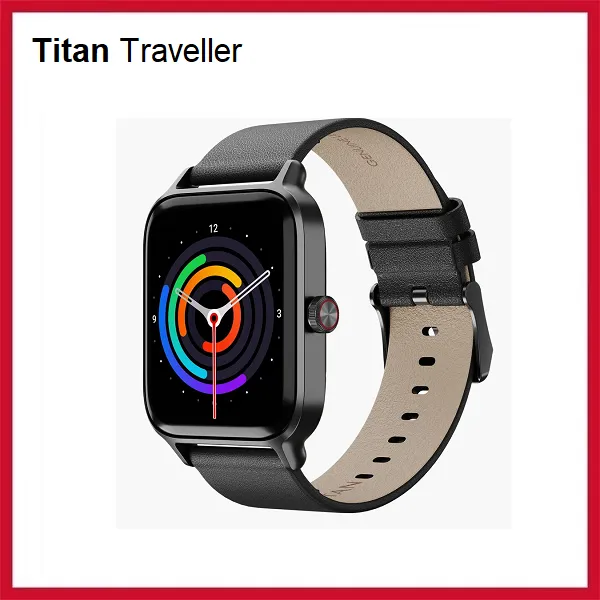
10. Titan Traveller:
Best for: Indian travelers, fitness enthusiasts, and professionals who want style + smart features.
24×7 Heart Rate & SpO₂ Monitoring: Continuous heart rate tracking and blood oxygen (SpO₂) monitoring keep you informed about your cardiovascular and respiratory wellness at all times.
Sleep Tracking with REM Detection: Tracks your sleep stages—incorporating REM—helping you understand sleep quality and recovery insights each morning.
Stress & Ambient Noise Measurement: Automatically measures stress levels and tracks ambient noise to alert you when your body and surroundings may be impacting your well‑being.
Built‑in GPS + AI‑Powered Running Coach: Tracks VO₂ max, route, pace, and heart rate during outdoor workouts using built-in GPS. AI coach provides real-time voice prompts, post-run stretches, and recovery guidance.
Body Energy / Readiness Insights: Monitors your overall energy using Body Energy (energy reserves) metrics, helping you plan workouts or rest based on daily readiness.
Perfect For You If: You want a classy Indian brand
🔍 Key Highlights & Takeaways
- Apple Watch Series 10 remains unmatched for iPhone users due to its extensive health tracking and refined design.
- Garmin dominates the outdoor/athlete category with Fenix, Forerunner, and Instinct series—offering precise GPS & long battery life.
- Android users have strong options: Pixel Watch 3, Galaxy Watch 7, and OnePlus Watch 3 all deliver good health tracking with better battery life than older Wear OS watches.
- Budget-friendly picks like Amazfit Balance still offer impressive tracking, SpO₂, ECG (Fitbit), and multi-week battery life.
- Premium rugged models (Samsung/Apple) cater to adventure seekers with durability and advanced sensors.








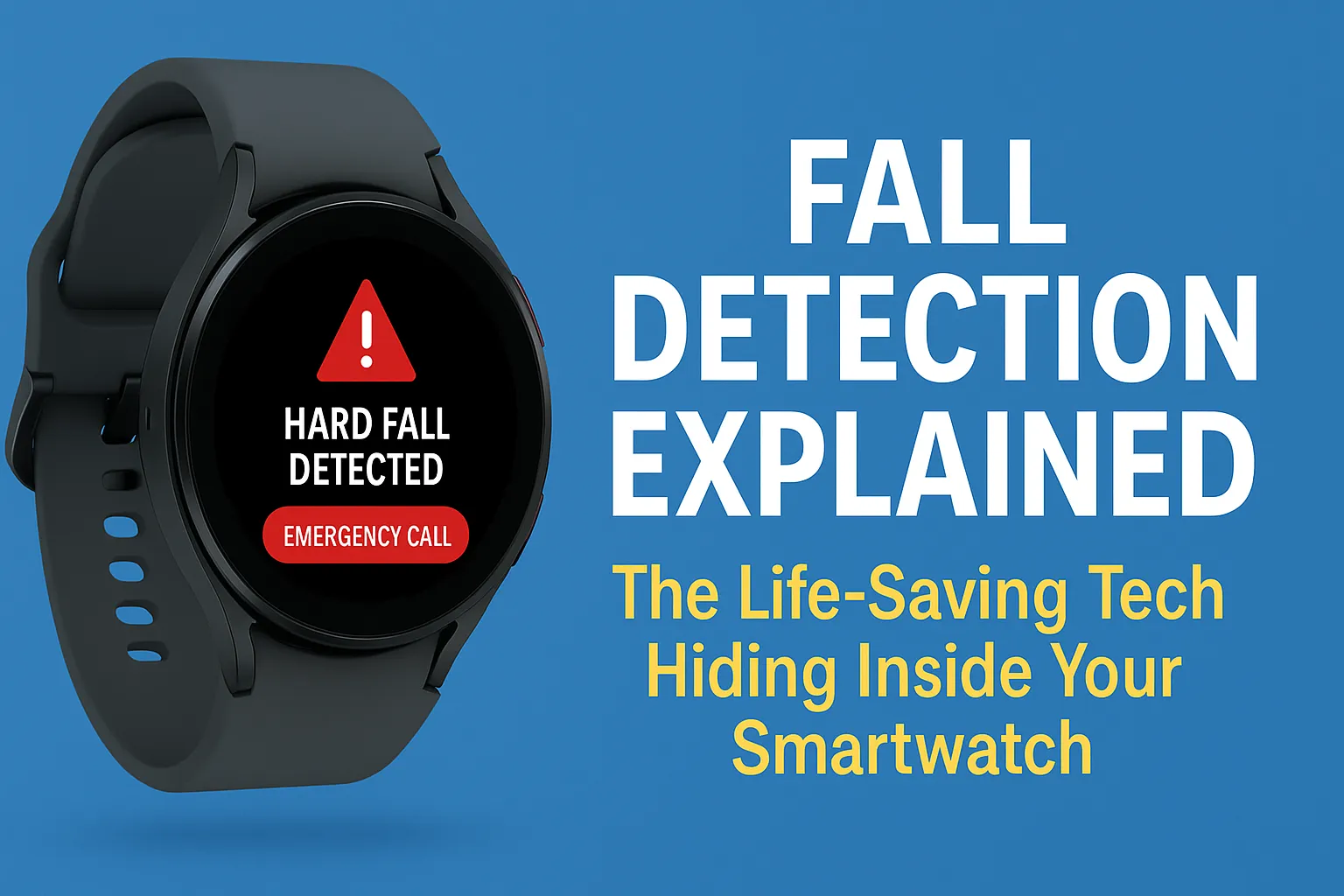
If you’re planning to buy a smartwatch and keep seeing the term Fall Detection, you might be wondering—What exactly is this feature? How does it work? Do I even need it?
You’re not alone. Many people hear about Fall Detection but don’t really understand how powerful and important it actually is.
Imagine this: You slip in the bathroom, fall, and drop your phone. No one is around. Your smartwatch instantly detects the fall and automatically sends an alert to your emergency contacts or even calls emergency services.
This isn’t science fiction. It’s a real, life-saving feature already built into many modern smartwatches.
In this guide, you’ll learn what Fall Detection is, how it works, who needs it, and what to look for when buying a smartwatch with this feature—all in simple, clear language. By the end, you’ll feel confident in understanding this powerful safety tool.
What Is Fall Detection? (Explained in Simple Words)
Fall Detection is a safety feature in smartwatches that automatically detects when the wearer takes a hard fall.
If the watch senses a sudden impact followed by no movement, it immediately asks if the wearer is okay. If there’s no response, it automatically sends an alert or calls for help.
Think of it as a silent guardian on your wrist.
Put simply:
A smartwatch with Fall Detection acts like a digital friend who checks on you when something goes wrong.
How Does Smartwatch Fall Detection Work? (In Plain English)
You don’t need to be a tech expert to understand this. Here’s the simplest explanation possible:
Smartwatches use tiny sensors to detect:
- Sudden movement (your fall)
- Impact force (hitting the ground)
- Inactivity (not moving after a fall)
The 3 Main Sensors Involved
- Accelerometer
Measures how fast you’re moving. - Gyroscope
Tracks your rotation and orientation. - AI Algorithms
Compare your movement patterns to decide if it was a real fall or just a slip or jump.
The Fall Detection Process (Step-by-Step)
- The watch senses a sharp movement
- It feels the sudden stop (impact)
- It checks whether you move afterward
- If you stay still, it shows an alert asking:
“Are you okay?” - If you don’t respond, the watch automatically:
- Sends an emergency message
- Shares your location
- Calls your emergency contact (depending on the model)
All of this happens in seconds.
Why Is Fall Detection So Important?
You may think fall detection is only for elderly people.
But here’s the truth:
Anyone can fall.
A young adult, a student, an athlete, someone commuting on a bike—accidents happen unexpectedly.
Real-Life Situations Where Fall Detection Helps
- Falling off a bike or scooter
- Slipping in the bathroom
- Tripping on stairs
- Fainting due to dehydration or low blood sugar
- Outdoor workouts (trekking, running, adventure sports)
- Medical emergencies like seizures
Just imagine the power of your smartwatch calling for help even when you cannot.
Who Should Consider Getting a Smartwatch With Fall Detection?
Fall Detection is becoming a must-have for many groups:
1. College Students & Young Adults
Living alone? Walking back from college late at night? This feature adds an extra layer of safety.
2. Fitness Enthusiasts
Runners, cyclists, trekkers—falls happen during intense workouts.
3. People With Medical Conditions
Especially those prone to dizziness, fainting, or seizures.
4. Elderly Family Members
A perfect gift that gives both them and the family peace of mind.
5. Anyone Who Lives Alone
This feature becomes your emergency partner.
How Accurate Is Fall Detection Really?
This is a common concern.
Smartwatch companies use advanced algorithms to avoid false alarms.
But yes, no technology is perfect.
Strong Points:
- Works extremely well during hard falls
- Responds fast
- Detects inactivity accurately
- Shares location with emergency contacts automatically
Where It May Not Work Perfectly:
- Soft or slow falls
- Falls on cushioned flooring
- Movements that mimic falling (e.g., dropping the watch)
Still, even with rare false alarms, having it is far better than not having it.
How to Enable Fall Detection on Your Smartwatch
While exact steps vary from brand to brand, here’s a general setup guide:
1. Open the smartwatch companion app on your phone
(Like Samsung Health, Wear OS app, etc.)
2. Go to Safety or Emergency settings
3. Turn on Fall Detection
4. Add Emergency Contacts
Make sure phone numbers are correct.
5. Enable Location Sharing
Once set up, your watch will handle the rest.
Smartwatch Brands That Offer Fall Detection
Most major smartwatch brands now provide Fall Detection:
- Samsung Galaxy Watches
- Apple Watch
- Pixel Watch
- Garmin models
- Amazfit high-end models
- Some Fire-Boltt, Noise, and Boat models in India
Tip:
Always check the product description before buying. Look for terms like:
- “Fall Detection”
- “SOS alerts”
- “Emergency calling”
- “Crash detection” (in some models)
Common Myths About Fall Detection (Busted!)
Myth 1: It’s Only For Old People
Wrong. Young adults and athletes benefit equally—sometimes more.
Myth 2: It Calls Emergency Services Immediately
No. It always gives you a chance to cancel the alert.
Myth 3: It Drains Battery Quickly
It uses sensors already inside your watch. Battery impact is minimal.
Myth 4: It Works Only With the Internet
Not true. Many watches use SMS-based alerts that work without internet.
How Fall Detection Improves Your Daily Confidence
This feature isn’t just about emergencies.
It gives you a sense of assurance every day.
You feel safer when walking alone.
You feel supported during intense workouts.
Your family feels less worried when you’re living away from home.
It’s like having a silent teammate who never sleeps.
What to Look For When Buying a Smartwatch With Fall Detection
Here’s a simple checklist:
1. Accuracy of sensors
Look for models with 3-axis accelerometers and gyroscopes.
2. Emergency SOS calling
Make sure your watch can place calls or send messages.
3. Location sharing support
Very important during emergencies.
4. Battery life
At least 1–2 days for best performance.
5. Water resistance
Falls often happen in bathrooms.
6. LTE/Cellular option (optional)
Lets the watch make calls without your phone nearby.
Conclusion: Fall Detection Is More Than a Feature—It’s a Lifeline
Fall Detection might sound like a small feature, but it can make a huge difference in the real world.
Whether you’re a student, a fitness lover, someone who lives alone, or simply buying a smartwatch for safety, this technology is worth considering.
It’s simple. It’s powerful. And it works quietly in the background—protecting you when you least expect it.
If you’re buying a smartwatch soon, choose one with Fall Detection. It’s a small decision that could change everything in a moment of need.
Your safety is worth it. Start today.
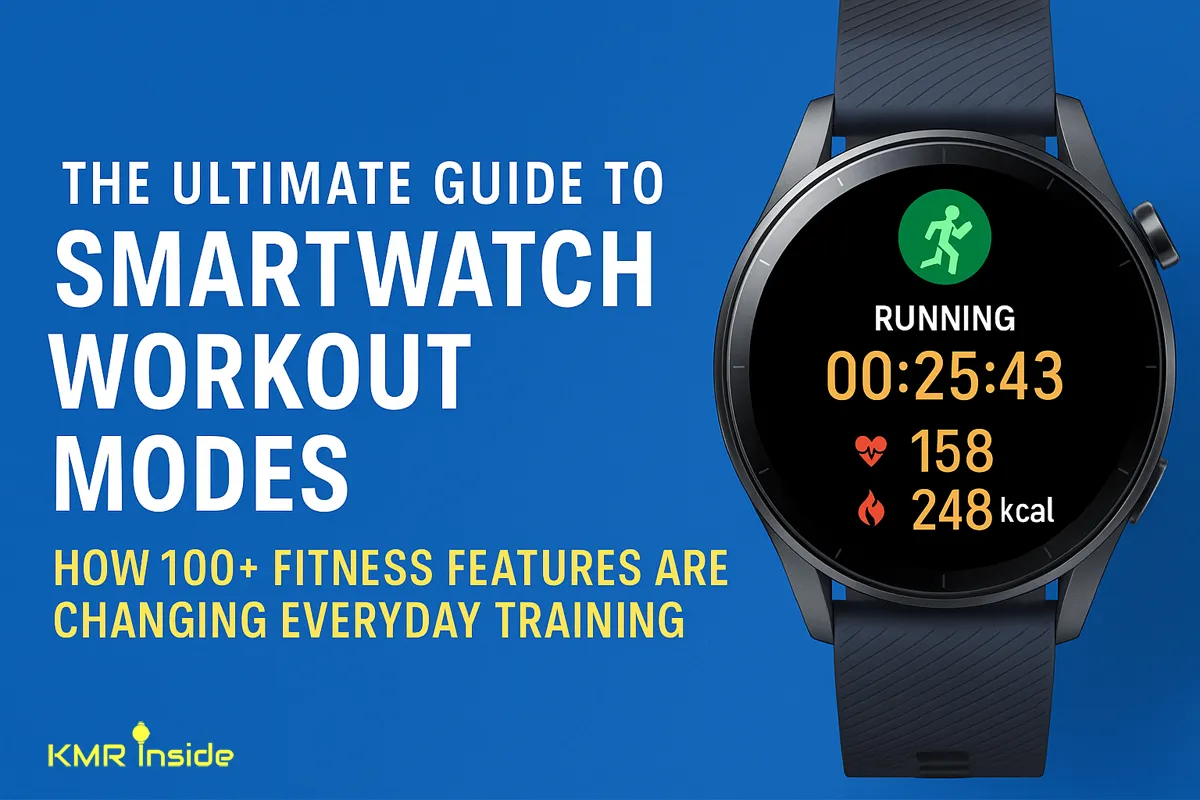
Many people buy a smartwatch for steps, sleep, and notifications — but only a few realize the true power hidden inside it: workout modes. Today’s smartwatches support anywhere from 20 to 100+ workout activities, ranging from basic running to highly specialized training like rowing, HIIT, skiing, cycling, yoga, and even underwater sports.
These workout modes are not just titles on a screen. Beneath them lies a full suite of sensors, algorithms, GPS systems, motion tracking, and health insights — designed to help everyday users train smarter and safer.
This guide explains how smartwatch workout modes work, why they matter, how to choose the right one, and how to use them for real results.
What Are Smartwatch Workout Modes?
Workout modes are pre-configured exercise profiles inside a smartwatch that:
- track your movement
- monitor heart rate
- calculate calories
- record duration
- analyze intensity
- map your routes (if GPS supported)
- detect performance patterns
Each mode is optimized for a specific activity.
For example:
- Running mode tracks pace, cadence, and distance
- Yoga mode tracks breathing and stretching effort
- Swimming mode tracks strokes and SWOLF
- Strength training tracks reps and rest intervals
In simple terms:
👉 Workout modes help your smartwatch “understand” what exercise you’re doing.
Why Smartwatches Now Include Over 100+ Workout Modes?
In earlier years, smartwatches only had a handful of fitness activities:
- Walking
- Running
- Cycling
- General workout
Today, brands include 100+ choices. But why?
Reason 1: People follow diverse fitness routines
Users now engage in:
- CrossFit
- Dance
- Martial arts
- Pilates
- Rowing
- Swimming
- HIIT
- Stair climbing
- Sports training
Smartwatches must support these varied lifestyles.
Reason 2: Data becomes more accurate
The more specific the workout, the better the data.
A “Cycling” workout is far more accurate than “General Exercise.”
Reason 3: Motivation increases
Seeing a dedicated workout mode encourages users to try new fitness activities.
Reason 4: AI-based personalized training
More modes = more data
More data = better recommendations
How Smartwatch Sensors Work During Workouts?
Workout modes rely on multiple sensors working together:
1. Accelerometer
Detects motion, direction, speed.
2. Gyroscope
Tracks body rotation and stability.
3. Heart-rate sensor (TruSeen™, etc.)
Measures beats per minute and heart-rate zones.
4. SpO₂ sensor
Monitors oxygen saturation during intense training.
5. GPS + GLONASS + Galileo
Tracks routes, pace, distance, elevation.
6. Barometer
Measures altitude changes (useful for hikers).
7. Compass
Helps in navigation.
These sensors feed data into AI algorithms that calculate:
- calories burned
- training load
- VO₂ max
- recovery time
- intensity minutes
- aerobic/anaerobic performance
This is how professional athletes track performance — and now everyday users can too.
Popular Workout Modes and What They Actually Measure:
Let’s break down the most commonly used modes.
1. Running (Outdoor & Indoor):
Tracks:
- Distance
- Pace
- Split time
- Cadence
- Heart-rate zones
- VO₂ max
- GPS routes
Why it matters:
Shows cardiovascular fitness and long-term endurance.
2. Walking:
Tracks:
- Steps
- Speed
- Elevation
- Heart rate
- Calories
Why it matters:
Excellent for beginners and low-impact fitness routines.
3. Cycling:
Tracks:
- Speed
- Cadence
- GPS map
- Elevation gain
- Heart-rate zones
Why it matters:
Helps monitor stamina and leg strength.
4. Swimming (Pool & Open Water):
Tracks:
- Stroke type
- SWOLF score
- Laps
- Pace
- Distance
Why it matters:
Improves technique and breathing efficiency.
5. Strength Training:
Tracks:
- Reps
- Sets
- Rest timer
- Muscle workload
Why it matters:
Useful for gym users who lift weights.
6. HIIT (High-Intensity Interval Training):
Tracks:
- Heart-rate spikes
- Intensity
- Rest periods
- Overall load
Why it matters:
Perfect for fat burning and metabolic fitness.
7. Yoga & Pilates:
Tracks:
- Breathing patterns
- Relaxation score
- Flexibility effort
- Heart-rate stability
Why it matters:
Ideal for mental wellness and posture correction.
8. Hiking & Climbing:
Tracks:
- Elevation
- Steps
- GPS trail
- Altitude pressure
- Distance
Why it matters:
Ensures safety and endurance tracking during outdoor activities.
9. Sports (Football, Cricket, Badminton, Basketball):
Tracks:
- Movement intensity
- Sprint count
- Reaction patterns
- Calories
- Duration
Why it matters:
Gives meaningful insights into sports performance.
How Smartwatch Workout Modes Improve Your Fitness?
Workout modes don’t just record data — they help users train better.
Here’s how:
1. Heart-Rate Zones:
Smartwatches divide intensity into zones:
- Warm-up
- Fat burn
- Cardio
- Peak
Each zone serves a purpose.
For example:
- Fat burn zone → weight loss
- Cardio zone → stamina
- Peak zone → athletic conditioning
2. Training Load:
Shows how hard your body worked.
Helps prevent overtraining.
3. Recovery Time:
Tells you when your next workout should be.
Useful for avoiding injuries.
4. VO₂ Max:
Indicates your aerobic fitness level.
Higher VO₂ max = better endurance.
5. Calorie Accuracy:
Dedicated modes ensure more accurate calorie burn calculations.
Why Beginners Should Use Workout Modes?
Even if you’re not an athlete, workout modes offer massive benefits:
- Improved consistency
- Clear progress tracking
- Motivation through daily scores
- Better understanding of your body
- Safer workouts
- Realistic calorie calculations
- Balanced training routines
Common Mistakes Users Make with Workout Modes:
Let’s correct them:
❌ Mistake 1: Choosing “General Workout” for everything
✔ Use specific modes for accurate data.
❌ Mistake 2: Wearing the watch loosely
✔ Tighten for stable readings.
❌ Mistake 3: Ignoring heart-rate zones
✔ They reveal real training effectiveness.
❌ Mistake 4: Using GPS sparingly
✔ GPS improves outdoor workout accuracy.
❌ Mistake 5: Not reviewing post-workout analysis
✔ The insights are the real gold.
Why 100+ Workout Modes Are a Macro Trend in Wearables?
Fitness is becoming global and diverse.
People now mix:
- gym
- sports
- yoga
- outdoor activities
- home workouts
- recreational training
Smartwatches are adapting by offering:
- more modes
- better sensors
- AI-driven coaching
- long battery life to support intense training
This shift is part of a wider industry trend where health and fitness dominate wearable design.
Conclusion: Smartwatch Workout Modes Are Your Best Fitness Coach
Smartwatch workout modes are more than tech features — they are powerful tools that help users stay active, healthy, and aware of their progress.
With detailed tracking, accurate sensors, and personalized analysis, workout modes offer:
- smarter training
- safer routines
- better results
- long-term motivation
Whether you’re a beginner, a student, a working professional, or a fitness enthusiast, smartwatch workout modes bring structured fitness into your everyday life.
Smartwatches have transformed from novelty gadgets into essential companions. But as their popularity rises, so have the complaints: constant charging, short battery life, unreliable performance during travel, and the frustration of seeing the battery die mid-day.
But now, a new category of smartwatches is rewriting the rules — the 10 to 14-day battery smartwatch.
These endurance-focused wearables are quietly taking over the market, reshaping consumer expectations, and redefining what a smartwatch should be. Once a premium feature, long battery life is now becoming the foundation of wearable design.
In this article, we explore the deep reasons behind this shift and why long-battery smartwatches are becoming the new global standard.
Why Battery Life Has Become the Most Valuable Smartwatch Feature?
For years, brands marketed displays, apps, or design as their biggest strengths. But users are sending a clear message:
Battery life is the new king.
Let’s understand why this shift is so strong and so fast.
1. Users Are Tired of Charging Too Many Devices:
Everyday life feels increasingly crowded with gadgets:
- Smartphone
- Laptop
- Earbuds
- Bluetooth speakers
- Tablets
- Power banks
- Fitness trackers
Adding a smartwatch that needs charging every night feels like a burden.
People want fewer cables, not more.
A smartwatch should blend into daily life — not demand attention.
Long-battery watches solve this problem elegantly by lasting up to 14 days.
They offer:
- fewer interruptions
- less dependency on sockets
- peace of mind
- continuous health tracking
This alone has shifted user preferences dramatically.
2. Health Tracking Requires 24/7 Wear — Not 24/7 Charging:
Today’s smartwatches track almost everything:
- Heart rate
- Sleep stages
- Stress levels
- Blood oxygen
- Activity minutes
- Menstrual cycles
- Steps & workouts
But these features are useful only when the watch stays on the wrist.
A watch that needs charging every night disrupts sleep tracking — one of the most essential functions today. Users simply don’t want to remove their watch daily.
A 14-day smartwatch offers:
- full-week sleep analysis
- uninterrupted stress monitoring
- true resting heart-rate trends
- multi-day workout logs without pausing
Long battery life directly equals better health data.
3. Fitness Users Need Long GPS and Outdoor Tracking:
Runners, cyclists, hikers, and athletes prefer smartwatches that support:
- multiple GPS sessions
- long outdoor workouts
- consistent heart-rate tracking
- multi-day activity history
GPS is one of the most battery-consuming features on any smartwatch.
Traditional watches last only 3–5 hours of GPS usage before struggling.
But 14-day smartwatches use:
- power-efficient GPS
- optimized sensors
- better antenna design
- smart battery modes
This allows them to handle back-to-back fitness sessions without needing a recharge.
For fitness enthusiasts, this is game-changing.
4. Travel-Friendly Wearables Need Endurance, Not Apps:
Travellers prefer watches that:
- track long flights
- support multiple days of hiking
- don’t need hotel chargers
- last through road trips
- ensure safety via emergency data
A smartwatch that dies during travel is more of a burden than help.
That’s why long-battery wearables are fast becoming the preferred travel companions.
5. Battery Technology Has Evolved Dramatically:
The rise of 10–14 day wearables is also a result of technological advancements.
Modern long-battery watches use:
- low-consumption AMOLED panels
- efficient processors
- lightweight operating systems
- smart power management
- larger but optimized batteries
- sensors running on micro-milliwatts
- auto brightness + adaptive refresh rates
This ensures:
Bright display + accurate tracking + long battery = Perfect balance
Earlier, users had to choose between features and battery.
Now they get both.
What Makes a Long-Battery Smartwatch Different?
Not all watches are built the same.
A long-endurance smartwatch stands apart in several ways.
Let’s explore them clearly:
1. Lightweight Operating Systems:
Operating systems like HarmonyOS, Zepp OS, and custom RTOS systems are extremely efficient.
They support:
- smooth animation
- health tracking
- notifications
- Bluetooth calling
- long standby time
Users get all essential functions without draining the battery.
2. Advanced Sensor Optimization:
Modern sensors (heart rate, SpO2, accelerometer, GPS) are now:
- sharper
- faster
- more stable
- less power-hungry
They provide accurate readings with minimal energy usage.
3. Intelligent Power Modes:
Long-battery smartwatches offer:
- Standard mode
- Power saving mode
- Ultra-long mode
- Workout modes
Each mode adjusts brightness, refresh rate, and sensor frequency — squeezing maximum battery life without affecting usability.
4. Balanced Display Engineering:
Contrary to the myth, AMOLED displays do not always drain battery.
Modern AMOLED screens are:
- brighter
- more efficient
- optimized per pixel
- adaptive in refresh rate
- power-tuned for watch faces
When combined with dark themes and Always-On optimizations, they can support long battery cycles easily.
5. Large Battery Units Without Bulk:
Earlier, inserting large batteries meant bulky watches.
Today’s engineering offers:
- thin form factor
- large mAh capacity
- compact battery placement
- heat management design
This combination enables comfort + endurance.
Why 14-Day Smartwatches Are Becoming the New Standard:
Let’s go beyond user preferences and look at market dynamics.
1. Rising Competition Forces Brands to Focus on Battery:
Every major brand now markets battery life aggressively:
- “14 days”
- “18 days”
- “30 days standby”
This is not coincidence — it’s a strategic shift.
Battery life is becoming the key selling point in the global wearable market.
2. Lifestyle Changes Post-Pandemic:
People now prioritize:
- health
- daily fitness
- step tracking
- sleep routine
- stress monitoring
Long-battery watches support this lifestyle without disruption.
3. Simplicity Is Winning Over Complexity:
Users no longer want:
- too many apps
- laggy interfaces
- heating issues
- constant charging
A watch should complement life, not complicate it.
Long-battery smartwatches deliver exactly that.
4. Brands Are Targeting Traditional Watch Users:
Many people who wore analog watches are finally switching to smartwatches.
They expect:
- reliability
- longevity
- minimal maintenance
Long battery life is the most familiar and comfortable feature for them.
Who Benefits the Most From 14-Day Smartwatches?
These watches are ideal for:
✔ Students
Unpredictable routines + long days.
✔ Working professionals
Meetings, commutes, deadlines — no time for charging.
✔ Fitness enthusiasts
Long workouts + outdoor runs + GPS.
✔ Frequent travellers
Need a dependable, long-lasting companion.
✔ Parents
Managing home + work = no charging patience.
✔ Traditional watch users
Prefer stability over features.
Key Features Buyers Look For in Long-Battery Wearables:
When users shop for endurance watches, they value:
- AMOLED display
- 10–14 day battery claim
- accurate heart rate
- dependable SpO2
- GPS
- calling support
- lightweight design
- strong build quality
- water resistance (5ATM)
- multiple sports modes
These form the core expectation of a modern smartwatch.
The Macro-Level Impact: The Wearable Industry Is Changing
The rise of long-battery watches is not a small shift.
It represents a complete redesign of market priorities.
Key industry transformations:
- More investment in battery R&D
- Focus on lighter OS systems
- Reduced emphasis on heavy apps
- Greater push for hybrid wearables
- Expansion of fitness-based models
- Marketing centered on endurance instead of features
This change is global and accelerating.
Conclusion: Long Battery Life Isn’t a Feature Anymore — It’s the New Standard
The wearable industry is clearly moving toward endurance-driven design.
As users prioritize reliability and convenience, 10–14 day smartwatches are becoming the expected norm.
They offer:
- uninterrupted health tracking
- hassle-free daily use
- stable performance
- travel readiness
- traditional watch-like endurance
Technology should simplify life — and long-battery smartwatches are leading this new era with exactly that promise.

Honor Win & Honor Win RT: Simple Overview for Everyone

Xiaomi 17 Ultra Launched: Powerful Camera, Premium Design, and Top Performance

Realme 16 Pro Key Specifications Revealed Ahead of Its Official Launch

How Smartwatches Read Your Body Language — The Secret Behind It

Watch Wearers vs Non-Wearers — The Productivity Gap No One Talks About

The Psychology Behind Completing Watch Goals — Why It Feels So Addictive

Why Wrist Notifications Feel More Professional Than Phone Alerts

Smartwatches Are Becoming the New Social Status Symbol — Here’s Why

When Is It Okay to Look at Your Smartwatch? The Answer Might Shock You

Why Smartwatches Are Becoming the New Favourite Gift?
-

 Luxury Watches11 months ago
Top 10 Most Expensive Watches in India – Is Buying a Rs.1 Crore Watch Worth It?
-
 Smart Watches10 months ago
16 Best Smartwatches UNDER ₹1000 – Budget Smartwatch in India
-

 Luxury Watches10 months ago
Top 10 Ultra Luxury Watch Brands Worn by Billionaires
-

 Luxury Watches10 months ago
GST on Luxury Watches in India: A Complete Guide
-
 Smart Watches11 months ago
The Best Smartwatches Under ₹2000 in India for 2025: Your Ultimate Guide
-

 Luxury Watches11 months ago
Best Brand Watches for Men in India (2025)
-
 Smart Watches9 months ago
Fire‑Boltt Ring X Features: BT Calling, Battery, Display and Price
-
 News12 months ago
Redmi Watch Move: Features, Specs, Price, and Everything We Know So Far